
La Société Guernesiaise realised in the early 1970s that because of the increasing development of the island many interesting and rare habitats were under threat. Indeed, it was feared that many of the most interesting and rare plants and animals in Guernsey might be lost unless measures were taken to protect them. La Société accordingly changed its constitution to enable it to hold land as nature reserves. Some of these reserves are owned outright by La Société, some are leased to it for nominal rents.
Guernsey’s
Nature Reserves
La Société holds over 400 vergees (65 hectares) of land which we manage as nature reserves, making us the largest landowner in the island after the States.
Explore our
Reserves
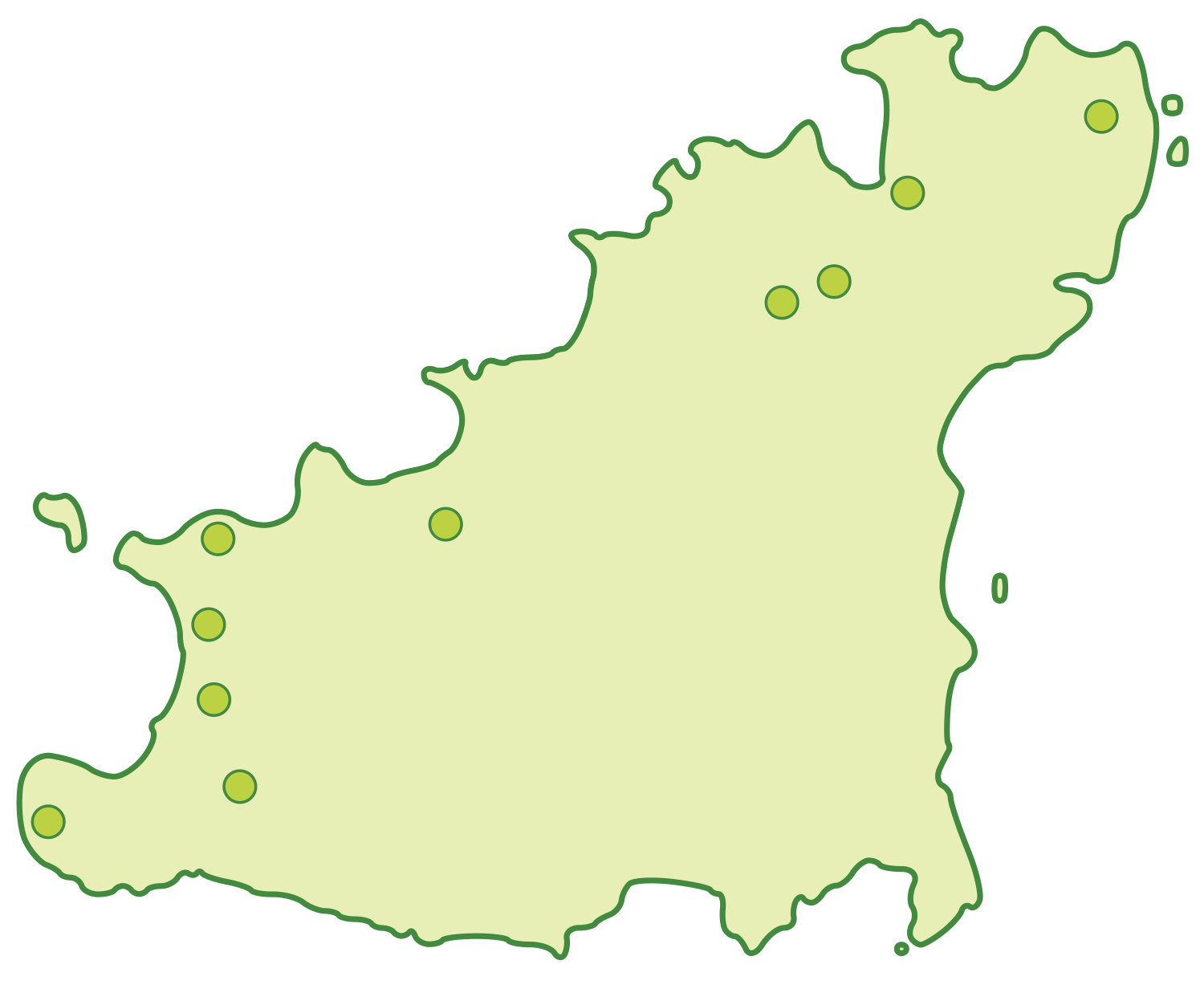
1
Charles David Reserve at Pleinmont 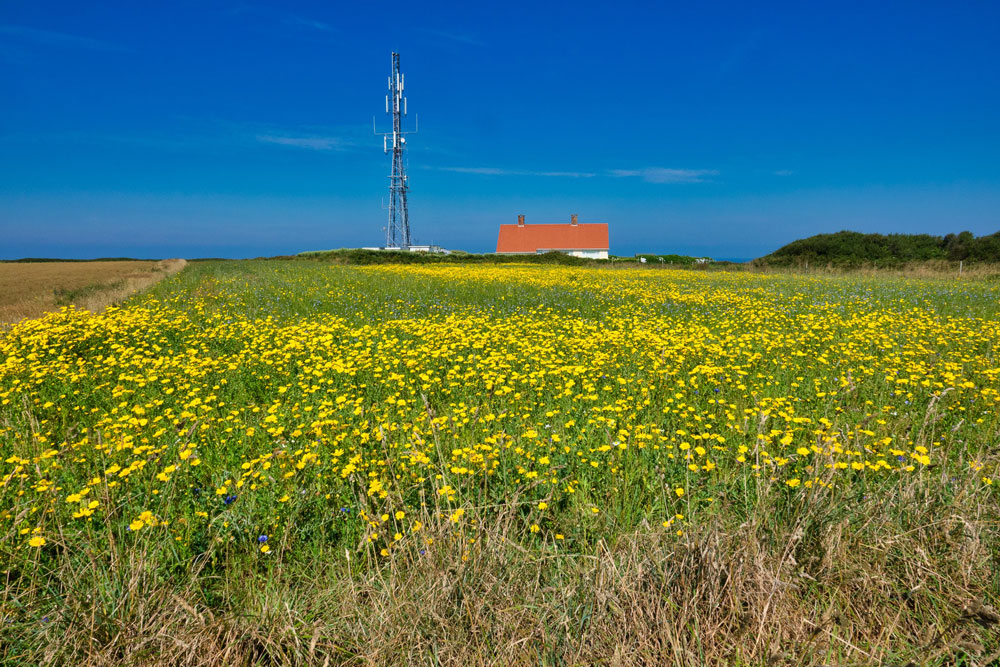
2
Silbe 
3
Bridget Ozanne Orchid Fields 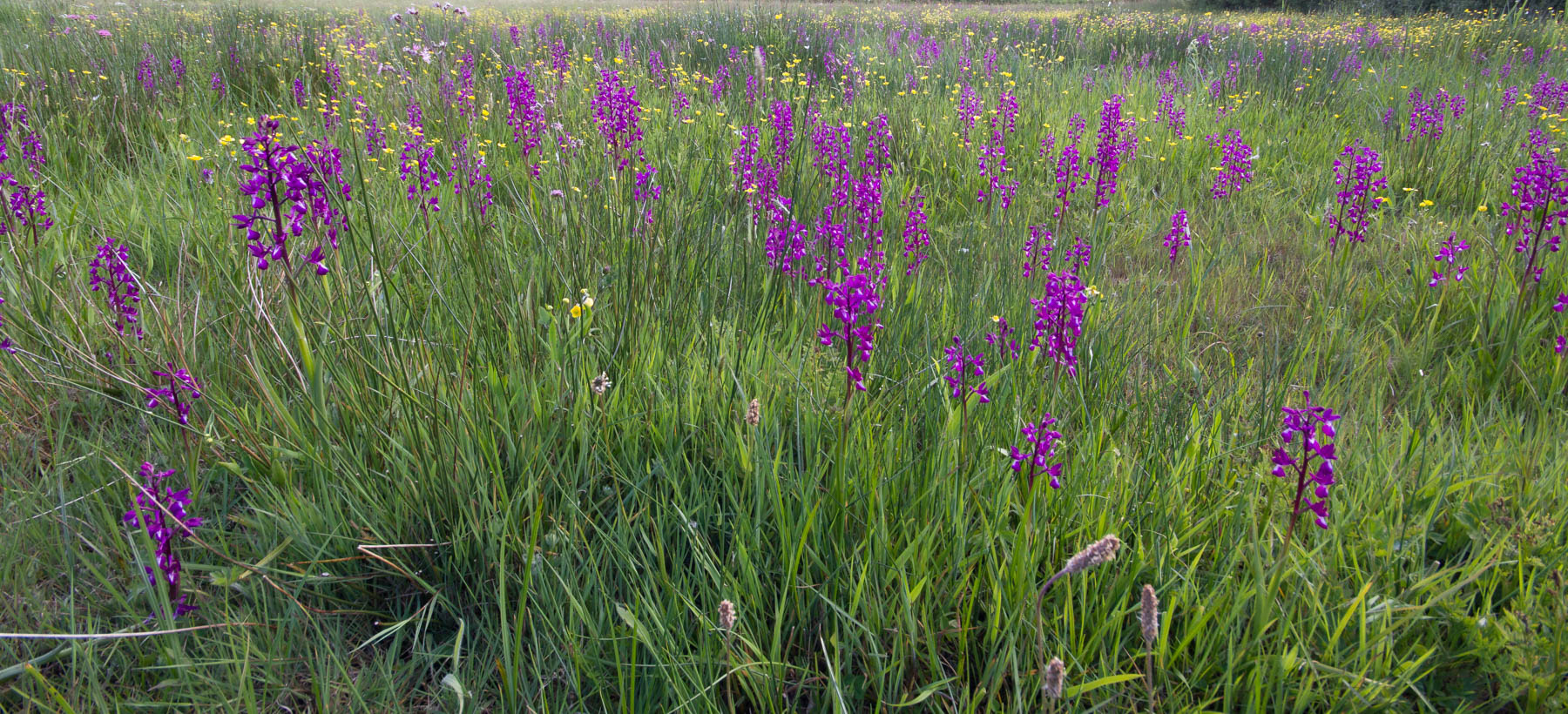
4
Rue Rocheuse 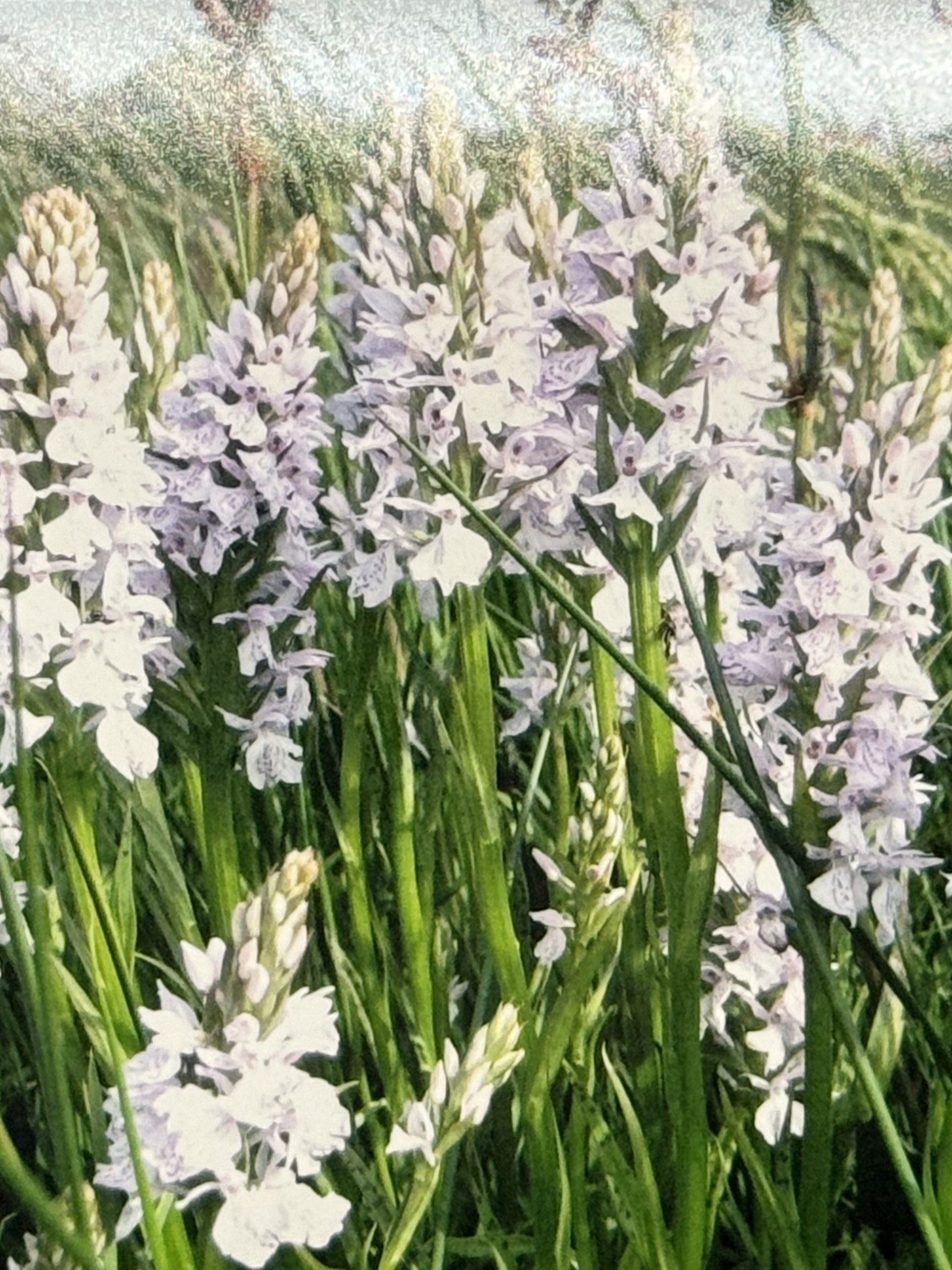
5
La Claire Mare 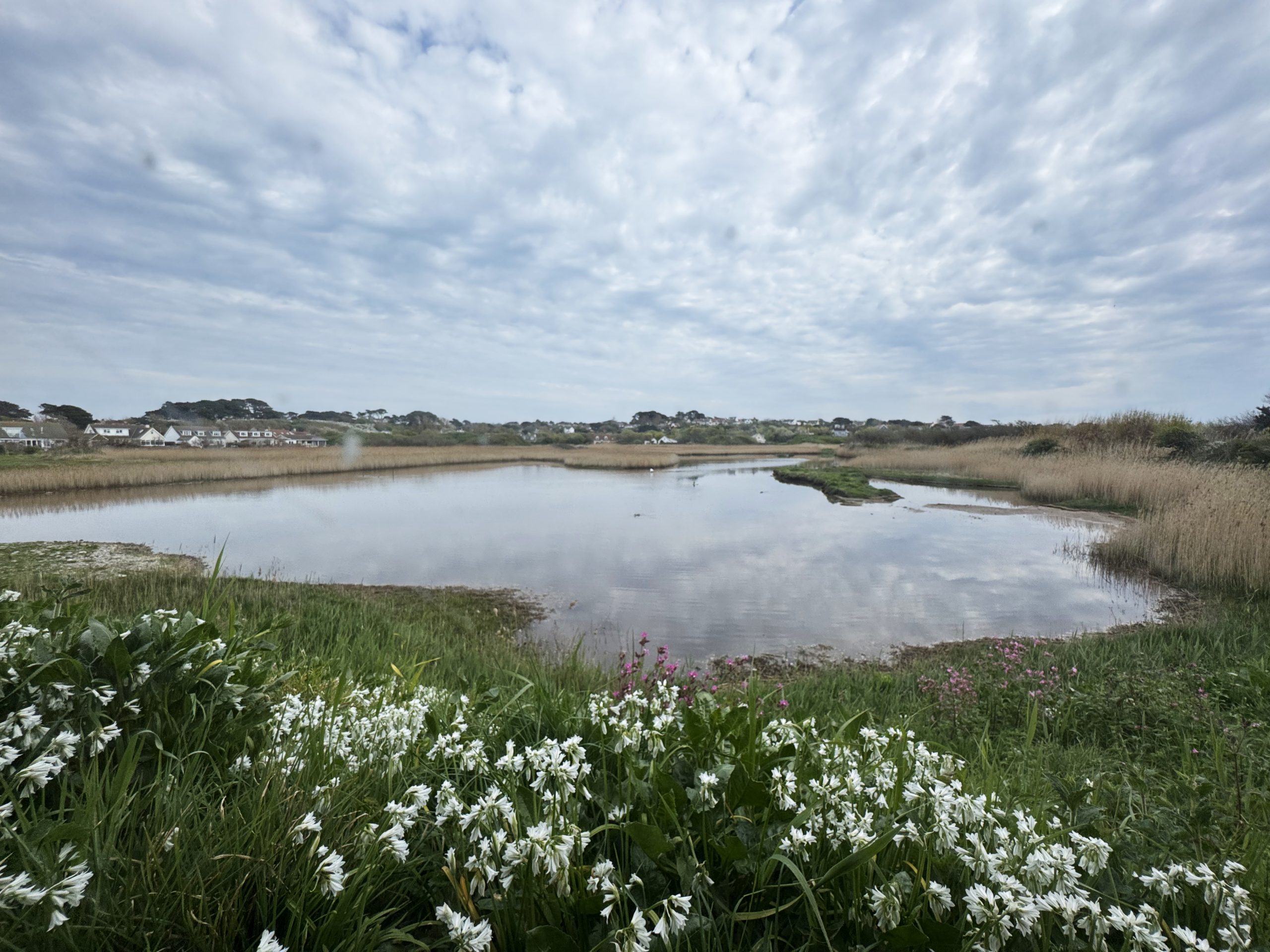
6
Pre D’Enfer 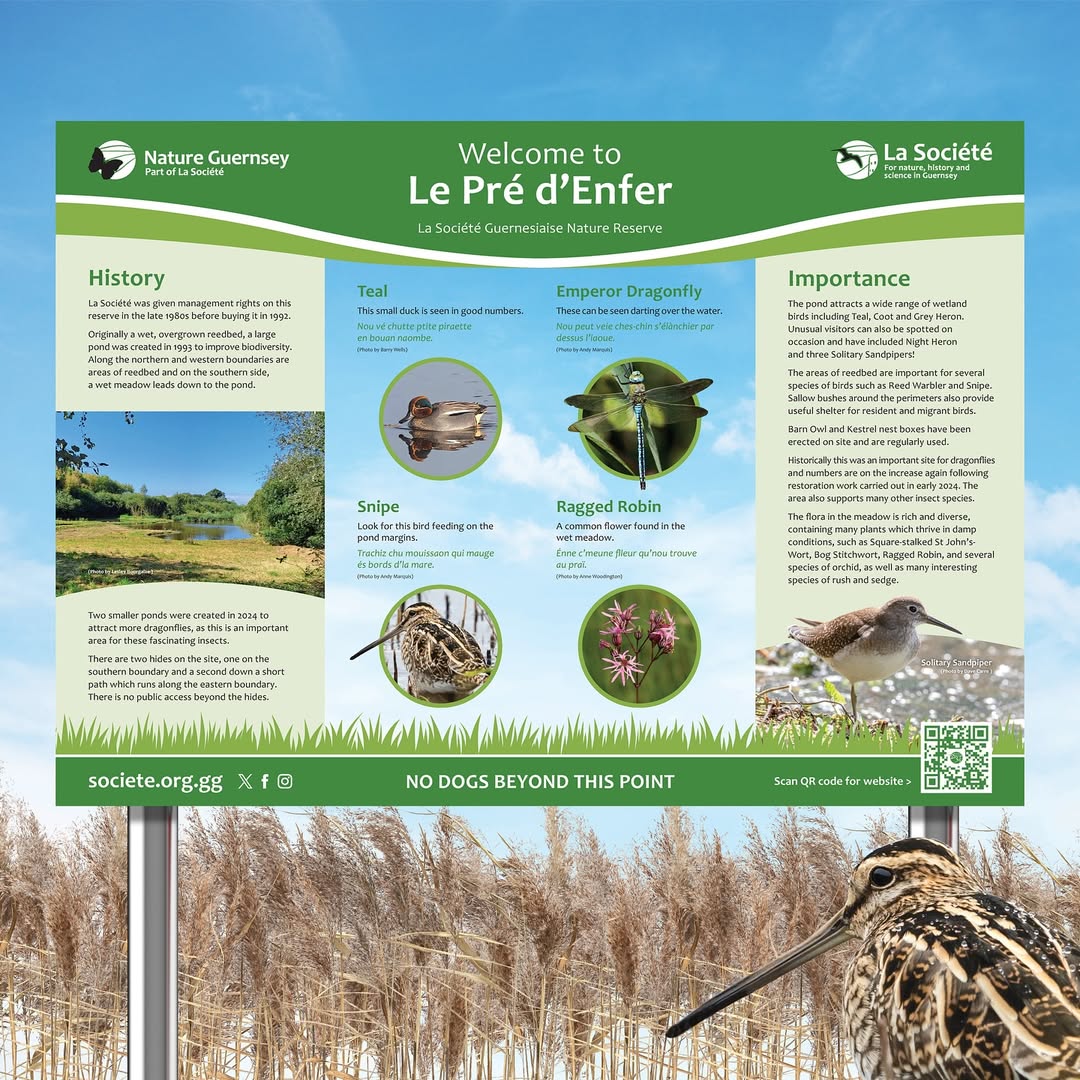
7
La Garenne d’Anneville 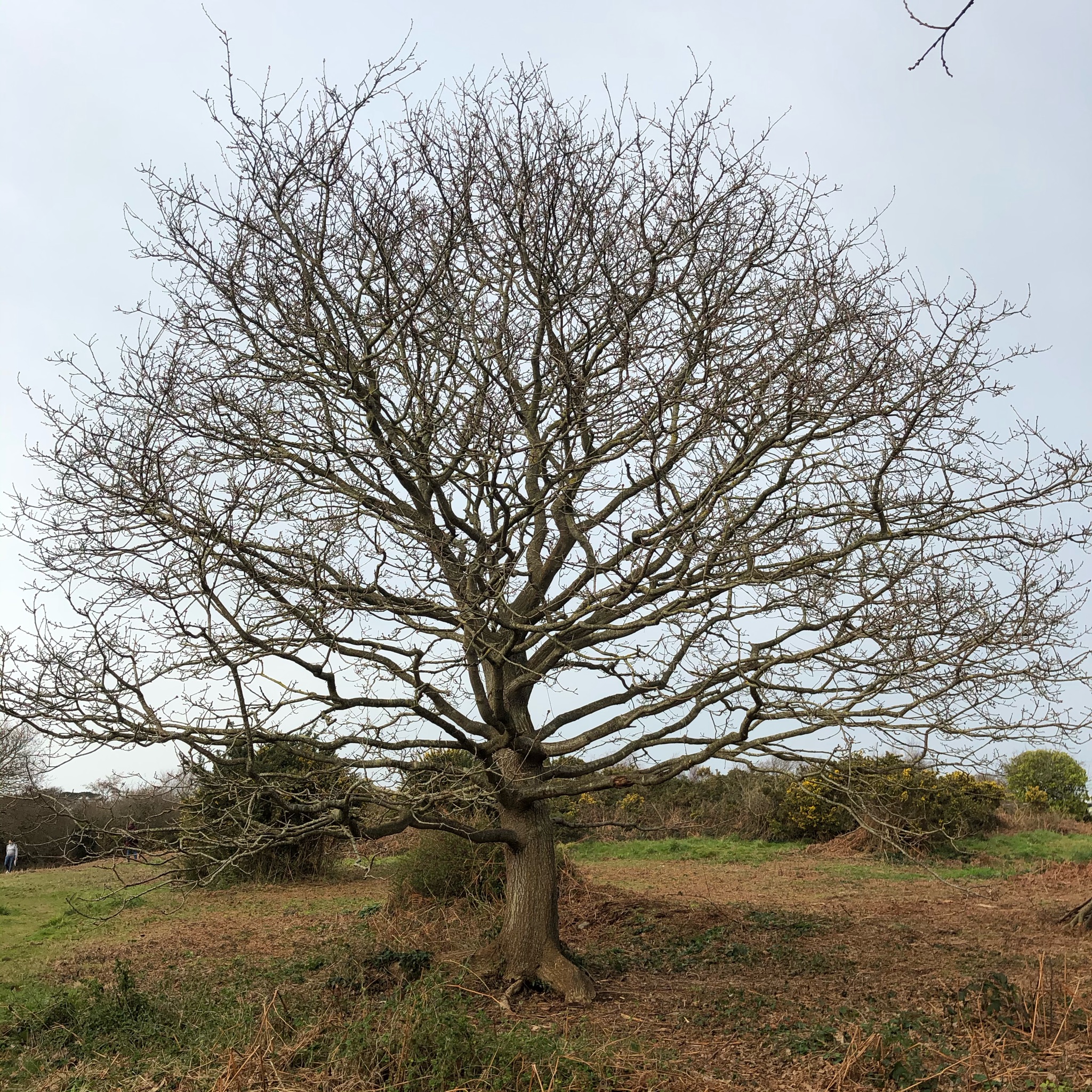
8
Colin McCathie Nature Reserve 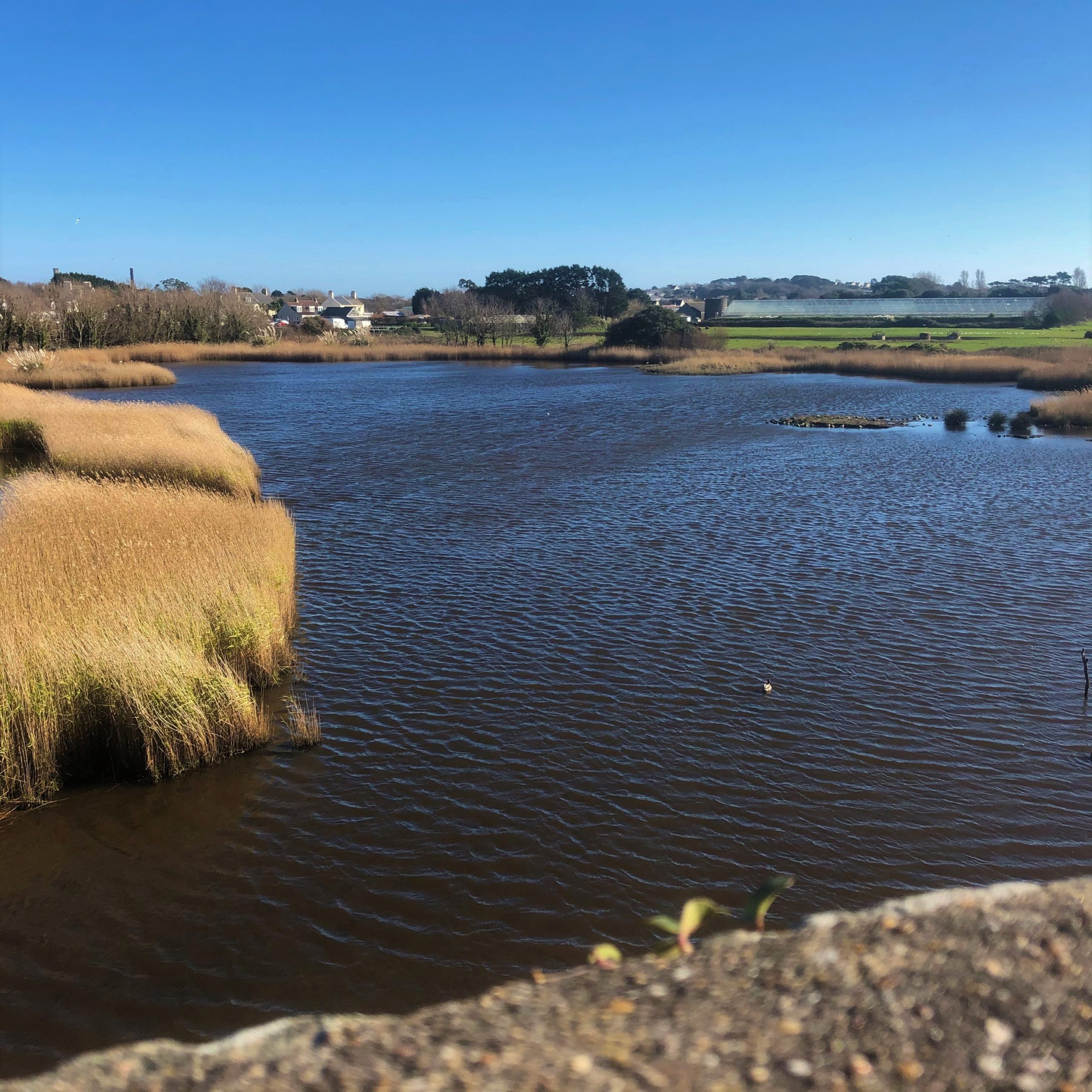
9
Le Grand Pre & La Marette 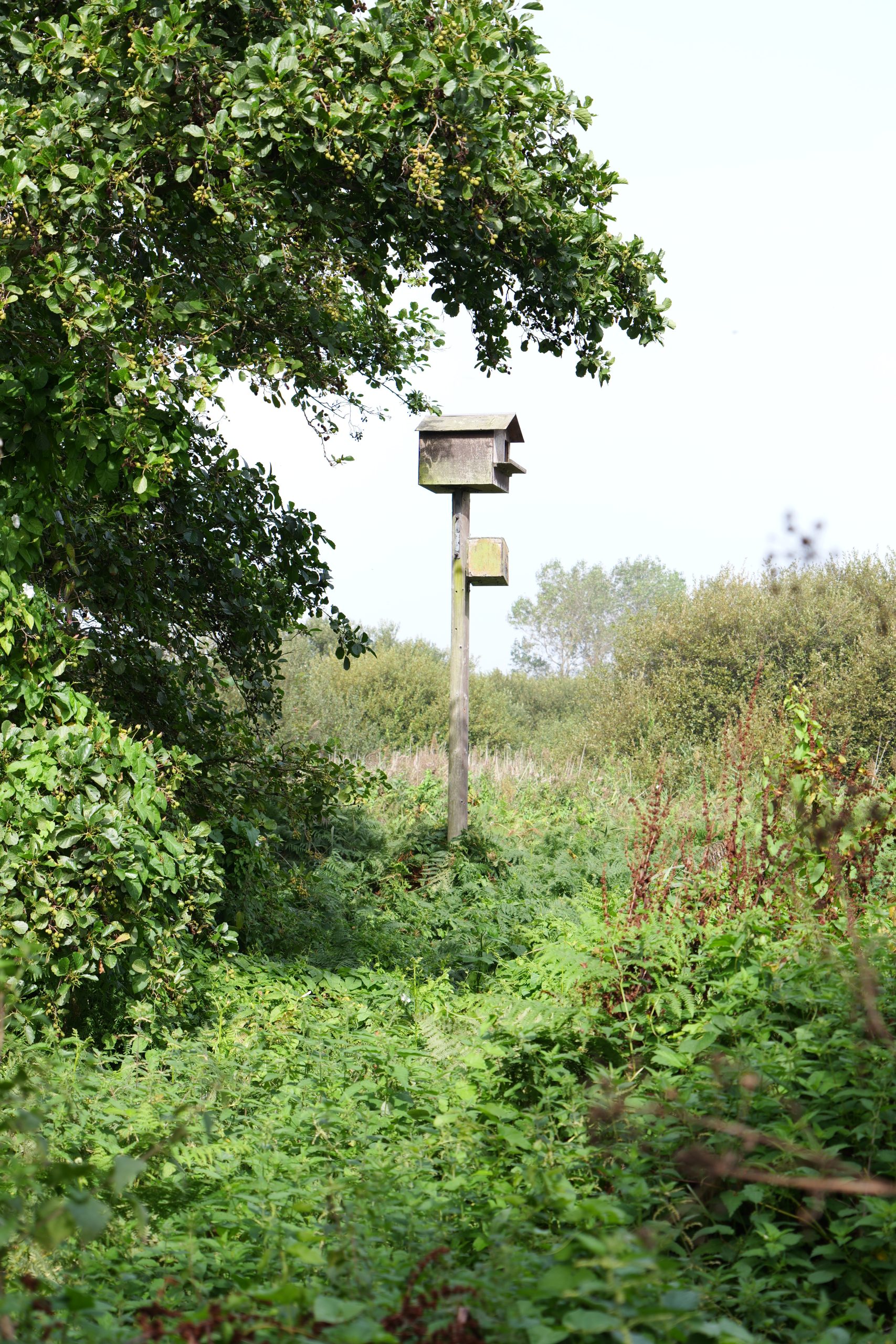
10
Jardin de Lorette 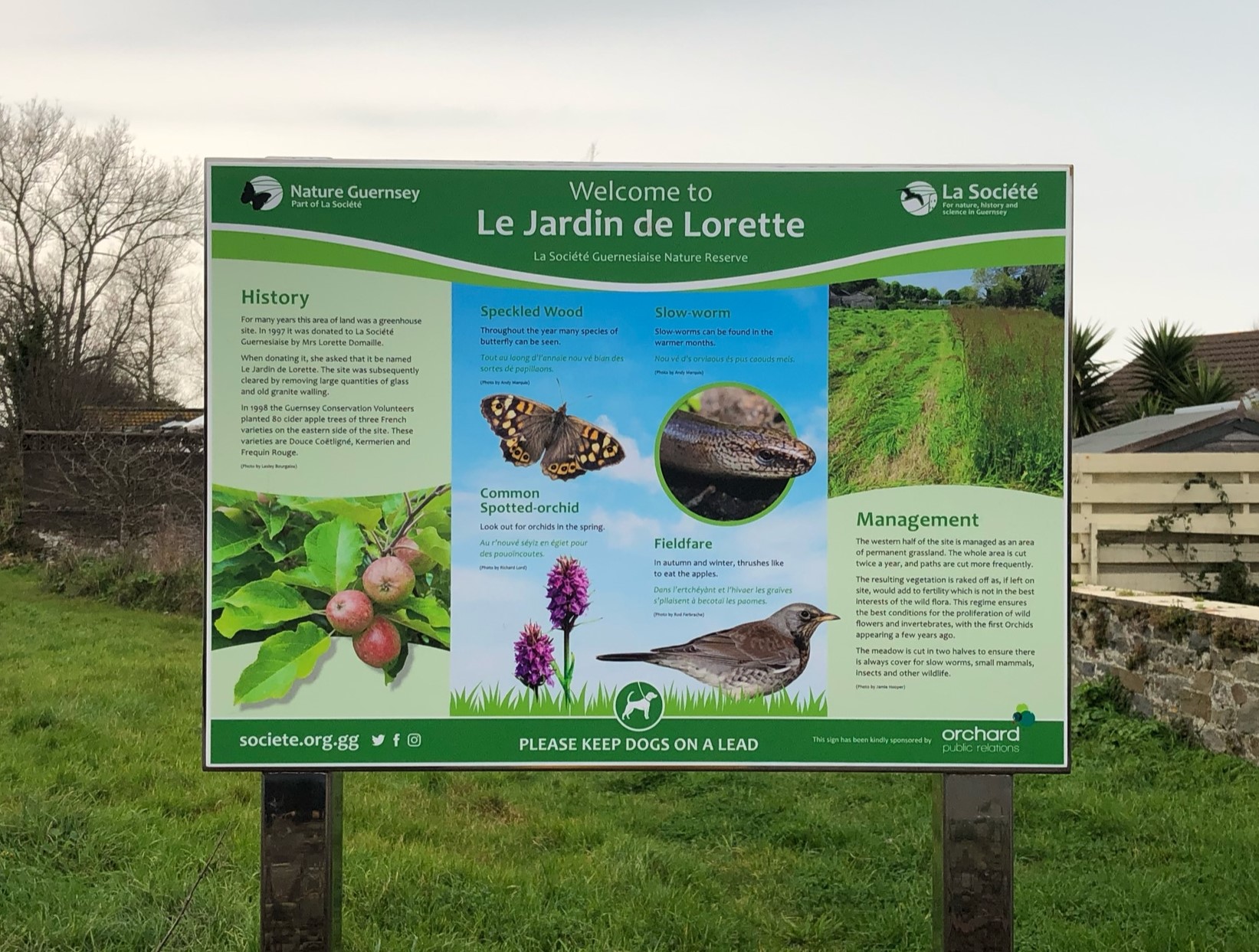
1 Charles David Reserve at Pleinmont
La Société owns a relatively large area of land at Pleinmont. Sometimes wind-swept, sometimes drenched in sea-spray, often sunny, this could be considered as one of the wilder parts of our island. The mosaic of habitats within the nature reserve makes it one of our most interesting and valuable sites. The main habitats present are gorse scrub, maritime heath, cliff and grasslands.
BUS ROUTES: 61, 91, 92, 93, 94
LOCATION: La Rue du Chemin Le Roi, Torteval. Perry’s 32C3
VIEWING: There are many footpaths on the reserve.
PARKING: There are public carparks all around the headland.
2 Silbe
Located in the Quanteraine Valley, it was the first reserve to be managed by La Société. The reserve covers over 5 ha and has a diversity of habitats including deciduous woodland, wet meadow, scrub and rough semi-improved grassland; a stream runs through to a mill-pond. This peaceful spot is valuable both aesthetically and in terms of nature conservation.
BUS ROUTE: 61
LOCATION: Rue de Quanteraine, St Peters. Perry’s 20D5
VIEWING: There are several footpaths running through the reserve.
PARKING: There is very limited parking at the entrance.
3 Bridget Ozanne Orchid Fields
La Société Guernesiaise began purchasing fields at Les Vicheries in 1978 and its holding has grown steadily since then, with 15 now owned or leased and managed by La Société. These meadows are relics of fields that would have been common up and down the west coast many years ago, before most were destroyed by development or intensive farming. Most of the fields have been managed by traditional methods for many years. No artificial fertilisers, herbicides or pesticides have been used. Very little cultivation has taken place and most fields have not been ploughed since the war. As a result, they have maintained their original flora and are very colourful in spring.
BUS ROUTES: 61, 91, 92, 93, 94
LOCATION: Rue des Vicheries, St Peters. Perry’s 20C3
VIEWING: From the road. Paths are cut around some of the fields in May, so visitors can admire the flowers more easily.
PARKING: There are public carparks on the coast road.
4 Rue Rocheuse
This small reserve comprises three long, narrow, adjoining fields, half a kilometre north of the ones at Les Vicheries. They are to the north of La Rue Rocheuse just inland from the coast. They are maintained as the other orchid fields in that they are cut for hay in late July/August, and may be grazed after this until the winter when they become too wet.
BUS ROUTES: 61, 91, 92, 93, 94
LOCATION: Rue Rocheuse, St Peters. Perry’s 20C2
VIEWING: From the road. Paths are cut around the perimeter of the
fields in May, so visitors can admire the flowers more easily.
PARKING: There are public carparks on the coast road.
5 La Claire Mare

La Claire Mare is a low-lying, brackish wetland on the west coast of Guernsey. It is one of the island’s premier reserves for birds and is comprised of wet grassland, reedbeds & open water. In winter it regularly supports wildfowl such as Teal, Wigeon & Shoveler and a roost of up to 50 Little Egrets at high tide. During migration periods a great variety of species have been recorded. Located next to the shingle bank at L’Eree, salt water is forced into the pond on spring high tides, leading to a brackish environment.
To the south-east, viewed from Rue des Mares, is a large area of wet meadows. Many species of orchid and other wetland plants provide a rich habitat for insects. The area is used by Grey Heron and Little Egret for shelter in stormy weather.
There are two hides. The top hide is situated at the end of the driveway leading from the road and has a viewing screen attached to it. A grassy track leads to the lower hide which is closed during the breeding season.
BUS ROUTES: 62, 91, 92
LOCATION: Access via drive off Route de la Rocque, St Peters. Perry’s 12C4
VIEWING: There is a hide at the bottom of the access drive. (Please do not
park on this drive).
PARKING: There are public carparks at Le Catioroc and along Route de
la Rocque.
6 Pre d'Enfer Reserve

This small reserve is hidden away on a corner of La Rue des Bergers and is part of the larger Grande Mare area. It was a wet, overgrown meadow, until a pond was dug out in 1993 to attract wetland birds; this has been very successful. There are two hides on the site, as well as Barn Owl and Kestrel nestboxes, which are regularly used. A smaller, shallow pond has been created, with the aim of attracting more dragonflies, as this is probably the best area in the island for these fascinating insects.
Along the northern and western sides are areas of reedbed which are important for several species of birds such as Reed Warblers and Snipe.
BUS ROUTE: 61
LOCATION: Off Rue Des Bergers, Castel. Perry’s 14C4
VIEWING: There is a hide by the parking area, and a second hide accessed
by a path on the northern boundary of the reserve.
PARKING: There is a small parking area at the entrance to the reserve.
7 La Garenne d’Anneville
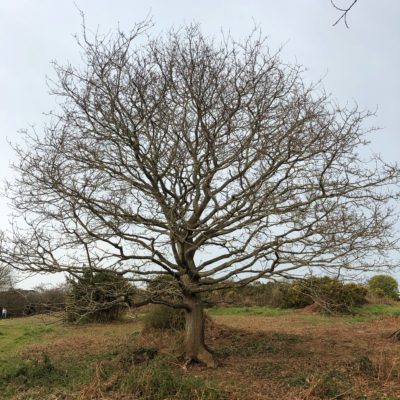
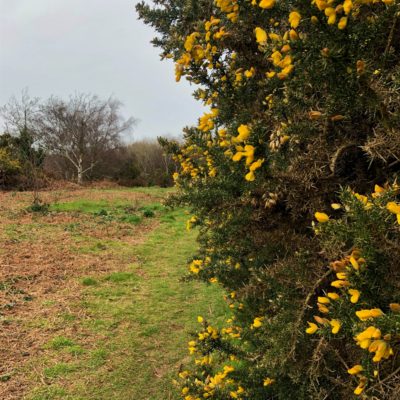
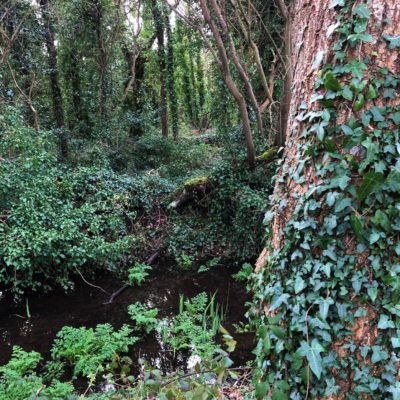
This site, which is leased by La Société Guernesiaise, has both historical and nature conservation interest. The rabbit warren (‘La Garenne’) and moat in the north-west of the reserve were created in the mid-13th century by the Manor des Annevilles for the purposes of rearing rabbits for the table. The moat can still be seen surrounding the area with some water in it although much of this dries out in the summer. The centre is semi-improved grassland and a mixture of Bracken and Gorse.
BUS ROUTES: 31,32, P2
LOCATION: Off Garenne Park, St Sampson. Perry’s 9F2
VIEWING: There is a path running around the reserve.
PARKING: There is no allocated parking for this reserve.
8 Colin McCathie Nature Reserve - Vale Pond
This relatively large reserve consists of a pond and a meadow. The pond is all that remains of the Braye du Valle, the channel of water which separated the Clos du Valle from the rest of Guernsey until about 200 years ago. It is brackish as sea-water enters through the sluice near the road at high spring tides. There is a good area of reedbed, and the pond is an important site for birds. It is possible to see a variety of waterbirds including Snipe, Grey Heron and Little Egrets. Plants around the edge of pond include Sea Aster, Sea Hard Grass and Glasswort, which are rare elsewhere in Guernsey.
BUS ROUTES: 13, 91, 92
LOCATION: La Route de L’Islet, Vale. Perry’s 6B5
VIEWING: There is no access on to the reserve, but a hide has been constructed behind the west wall which is accessed from the main road, opposite the pumping station.
PARKING: There is a public carpark across the road from the hide.
9 Le Grand Pré

This piece of land is mostly owned by the States of Guernsey and leased to La Société. Le Grande Pré provides an important habitat for breeding Reed Warblers and Cetti’s Warblers. Reed Buntings and Marsh Harriers have been sporadic breeders. During spring and autumn the reedbed supports large numbers of migrating Reed and Sedge Warblers, and Swallows and Sand Martins use the area as a roost. In winter, Bitterns have been occasionally seen.
This is also an important site for a variety of invertebrates. A programme of dredging aids reedbed regeneration and ensures there is standing water to encourage Odonata to colonise.
BUS ROUTES: 11, 12, 91, 92
LOCATION: Off La Blanche Carriere, Vale. Perry’s 7G4
VIEWING: There is a path running around the reserve. Part of it may
be waterlogged in winter. There is a hide at the west end
of the reserve.
PARKING: There is a small parking area at the entrance to the reserve.
9 La Marette [Bougourd Orchard]
A short distance from Le Grand Pré, but on the other side of the lane, can be found La Marette. In the late 1990s La Société Guernesiaise was given management rights on this former greenhouse site by the owner Mr Ron Bougourd, and in 2011 the land was conveyed to the society. In 2005 approximately 150 fruit trees were planted; Downy Birch and Sallow were also added on the northern boundary. The area bordering the road was left as rough grassland to encourage invertebrates and now hosts a variety of plants. This is an important site for migrant thrushes such as Fieldfare, Redwing and Blackbirds, which feed on the fallen apples. Since 2015 the orchard has supported a small population of locally rare Wasp Spiders. This is our most striking arachnid and its bright colouring deters predators.
BUS ROUTES: 11, 12, 91, 92
LOCATION: Off La Blanche Carriere, Vale. Perry’s 7G4
VIEWING: There is a path running around the orchard. Part of it may be waterlogged in winter.
PARKING: There is a small parking area at the entrance to Le Grand Pre reserve, which is situated in the same lane.
10 Jardin de Lorette
For many years this area of land was a greenhouse site. In 1997 it was donated to La Société Guernesiaise by Mrs Lorette Domaille. When donating it, she asked that it be named Le Jardin de Lorette. The site was subsequently cleared by removing large quantities of glass and old granite walling. In 1998 the Guernsey Conservation Volunteers planted 80 cider apple trees of three French varieties on the eastern side of the site. The western half of the site is managed as an area of permanent grassland. The meadow is cut in 2 halves to ensure there is always cover for slow worms, small mammals, insects and other wildlife. Careful management has also encouraged the regeneration of native plant species, with the first Orchids appearing a few years ago.
BUS ROUTES: 31 and 32
LOCATION: Les Petites Capelles Road, St Sampson. Perry’s 9H2
VIEWING: There is a path running around the site. Part of it gets waterlogged in winter.
PARKING: Parking is available in Les Basses Capelles Road.